
In Conversation with BK ROT: Reimagining big picture thinking and the value of in-person connection in a highly digital age
December 12, 2025Three years. Four organizations. Countless moments of growth.
As our first Levine Impact Lab cohort wraps up their three-year journey this December,
we’re reflecting on the stories that inspired us—of resilience, community, and lasting impact.
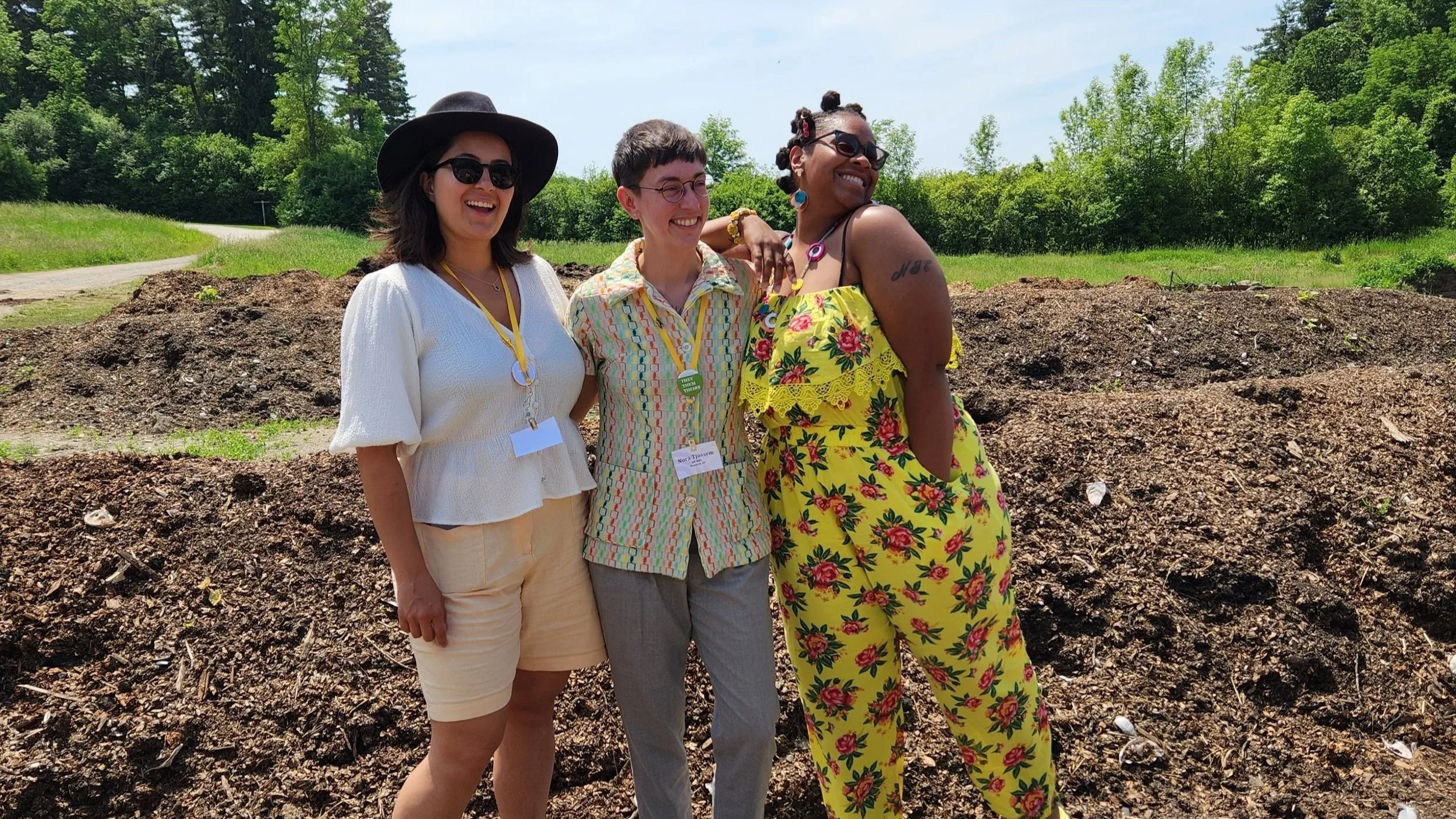
We had the pleasure to meet with BK ROT, New York City’s first bike-powered food waste hauling and composting service. Their executive team, Nora Tjossem and Dior St. Hillaire, along with board member Priya Mulgaonkar, shared key insights, challenges, and reflections from their three years with LIL, highlighting a transformative journey.
Throughout our conversation, Nora, Dior, and Priya repeatedly highlighted the profound impact of LIL’s annual in-person retreats on their professional development. Nora and Priya emphasized how these gatherings strengthened cohort connections and supported strategic operational planning. They reflected on the thoughtful design of each retreat, down to the choice of venue and environment, which encouraged big-picture thinking and fostered meaningful reflection and collaboration. The team agreed that the retreats created opportunities for continuous growth, allowing participants to connect face-to-face, celebrate progress, and see their development in tangible ways. As Nora shared, the experience “felt really rich,” offering the chance to pause, look back on what had been accomplished, and envision the path ahead.
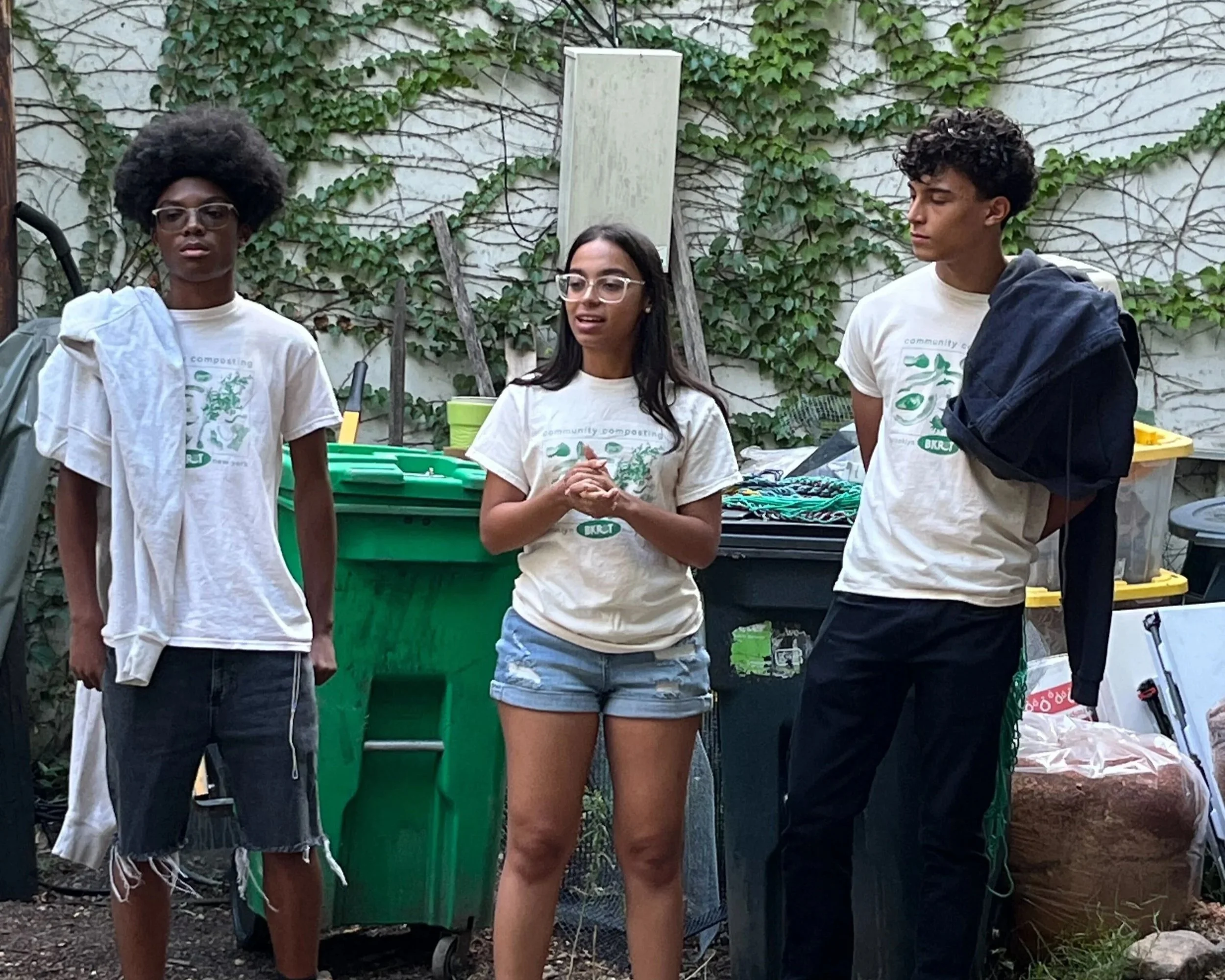
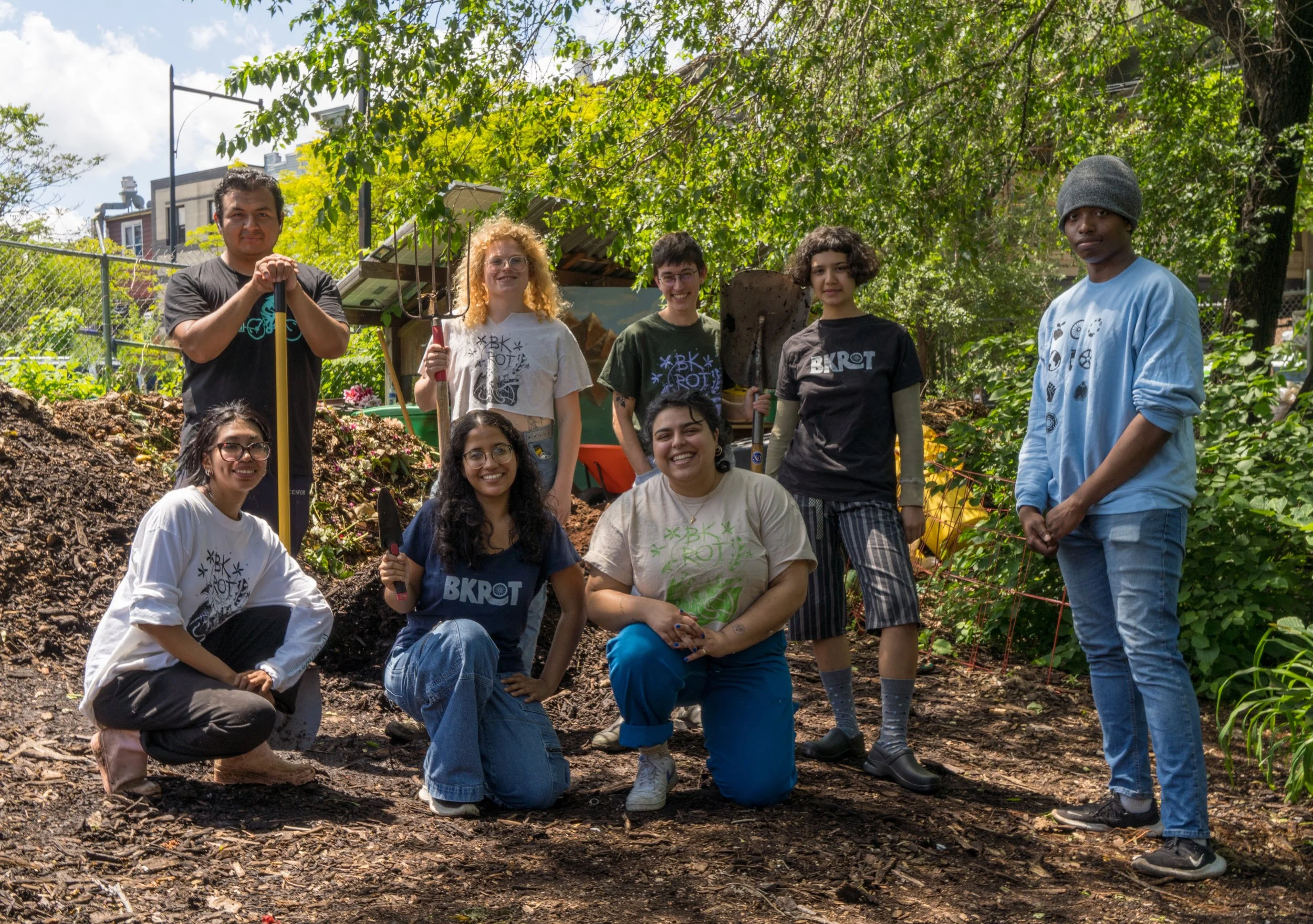
The BK ROT team also described the retreats as essential for strategic planning, providing a rare opportunity to step back from daily operations and focus on long-term goals. During their time with LIL, they began viewing BK ROT not just as a nonprofit but as a business with sustainable potential. Dior noted that LIL's financial backing was crucial in gaining organizational buy-in for this new business-focused approach. Collaborating with leaders from the for-profit sector opened conversations about fundraising and business planning, inspiring new approaches to long-term self-sufficiency.
When asked to share advice for future cohort leaders, the BK ROT team encouraged taking time to reflect on both current progress and desired outcomes from the LIL partnership. Priya emphasized viewing every meeting as “an opportunity, not just another meeting,” noting that each interaction is a chance to draw insight from the expertise of the LIL team. Nora added that being intentional about which projects to pursue within an organization is key to meaningful growth. Having a clear understanding of where to begin, and ensuring the whole team is aligned, helps build a strong foundation for operational progress.
The team also highlighted the value of what Nora called “cross-pollination.” By connecting with other cohort organizations such as Southside Blooms and Feed the Second Line, BK ROT found opportunities for shared problem-solving and deeper learning. These exchanges allowed them to approach challenges from new perspectives and apply lessons across different contexts, ultimately enriching their collective impact within the LIL network.