
In Conversation with Native Renewables: Reshaping the thought process on organizational strategy and operations
December 5, 2025Three years. Four organizations. Countless moments of growth.
As our first Levine Impact Lab cohort wraps up their three-year journey this December,
we’re reflecting on the stories that inspired us—of resilience, community, and lasting impact.
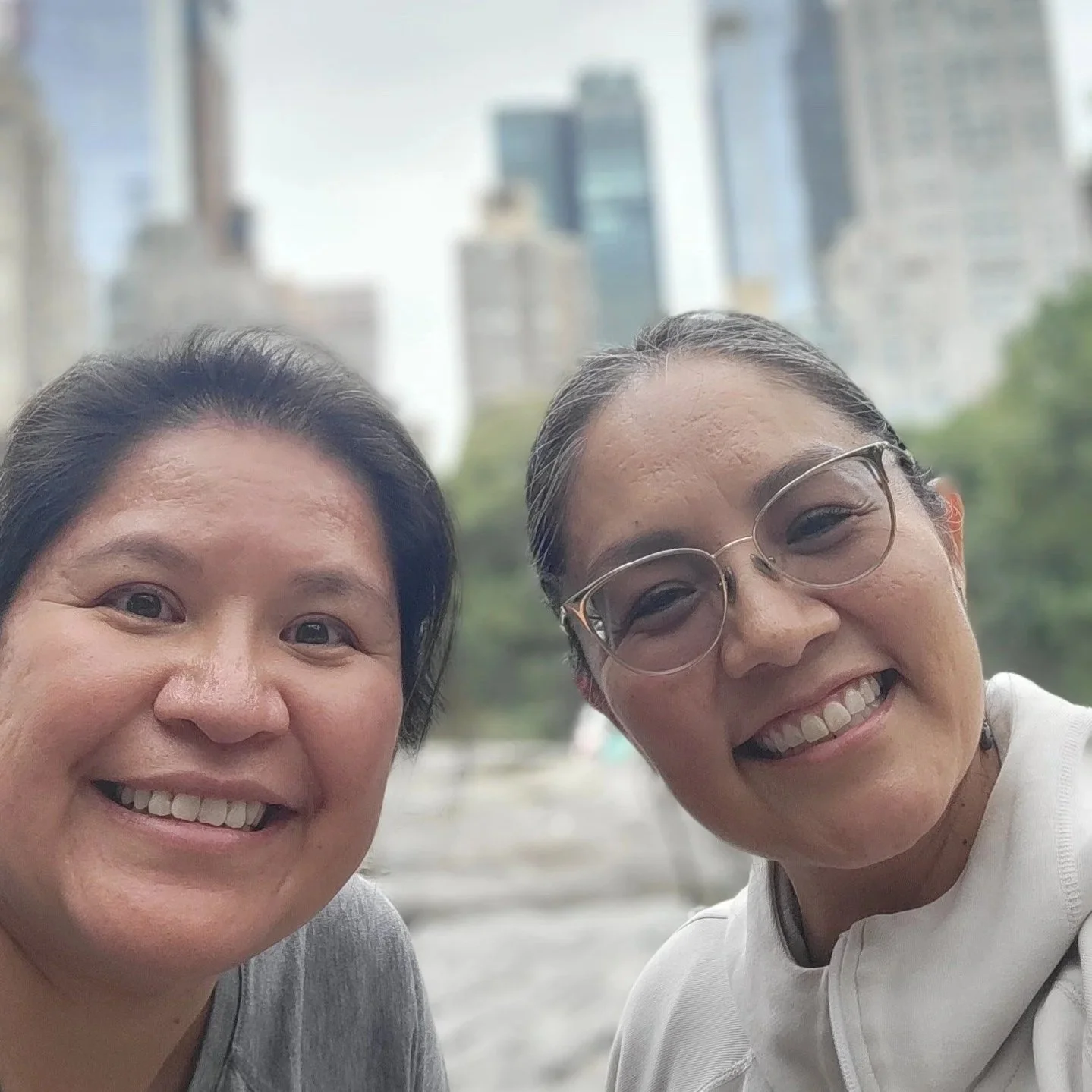
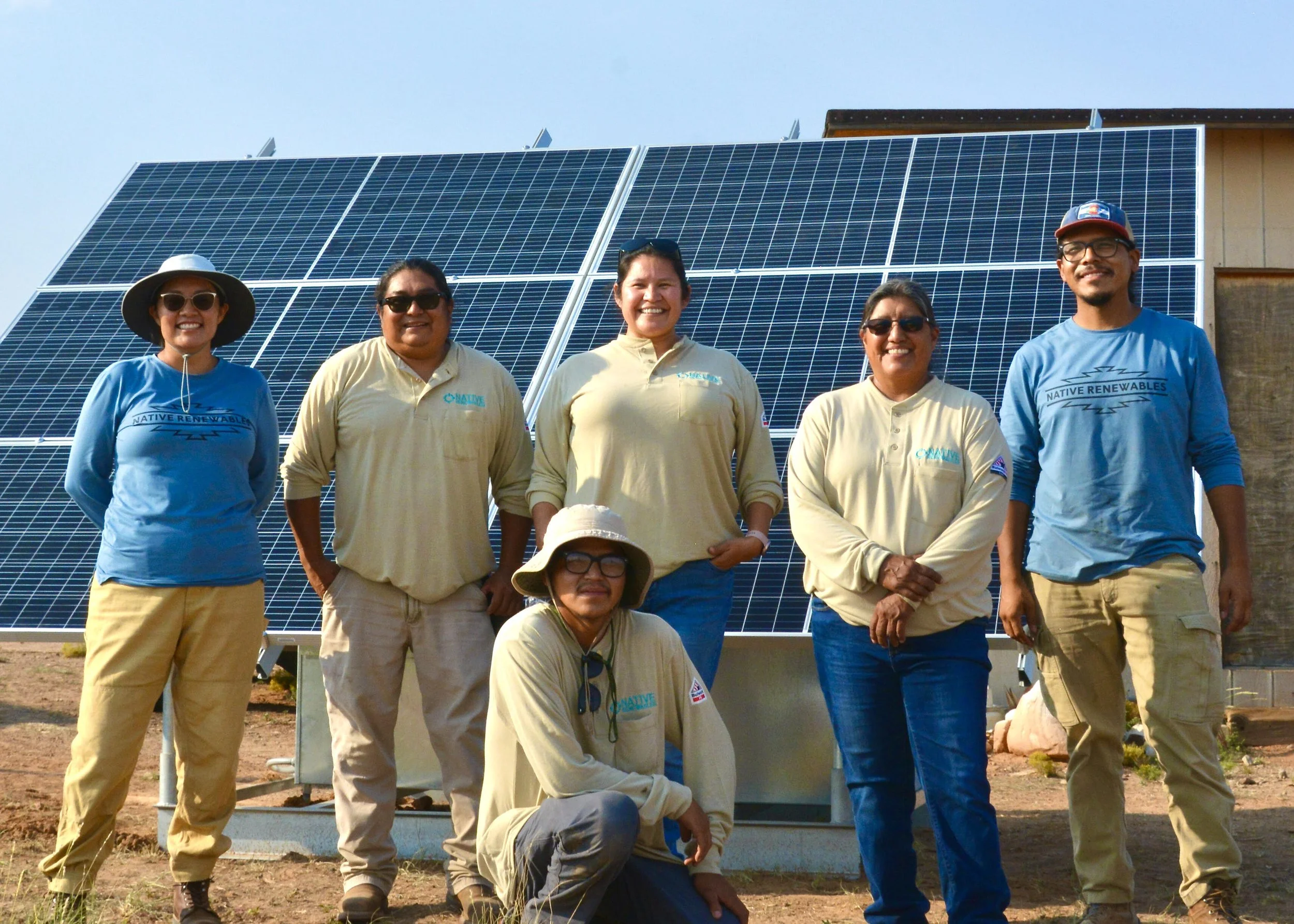
We had a chance to sit down with Dr. Suzanne Singer and Chelsea Chee from Native Renewables, a nonprofit delivering solar energy solutions to Navajo and Hopi communities to address energy access challenges, who told us how their work with LIL reshaped the way they think about organizational strategy and operations.
They reflected on early advising sessions with LIL founder Peter Levine, whose thoughtful questions encouraged them to challenge assumptions and adopt new perspectives. Suzanne noted that working with an executive coach, made possible in part by LIL, greatly enhanced her communication and leadership skills. These developments helped her implement more effective growth strategies for Native Renewables. She recalled, “It was really tough for my brain to step into the VC perspective at first, but it was a helpful process that pushed us to think bigger picture rather than staying confined to our own assumptions.” Both Suzanne and Chelsea agreed that embracing this mindset led to a shift from abstract discussions to taking concrete, actionable steps that generated measurable results for their organization and community.


Chelsea spoke highly of LIL’s annual in-person retreats, describing them as transformative and deeply insightful experiences. She shared how these gatherings created space for meaningful conversations, both among grant partners and within organizations, that led to actionable plans for the future.
The team also highlighted the value of the peer-driven Mastermind Sessions, acknowledging that they encouraged broader, more strategic thinking while emphasizing the importance of turning ideas into concrete actions. Chelsea noted that the sessions served as valuable check-in points between retreats, helping to sustain community building and strengthen connections among cohort organizations. They appreciated the sense of peer support that came from collaborating with other leaders who provided feedback, shared experiences, and offered fresh perspectives.
When asked to share advice for future LIL grant partners, the team recommended setting aside time each week to prepare for check-in meetings with the LIL advisors, ensuring clarity around organizational goals and priorities. They also emphasized the importance of establishing clear expectations, noting that structure is essential for sustaining long-term operational success. Such practical advice serves as a reminder that clear structure and communication remain the foundation of effective partnerships.