

Mission: Ríos to Rivers inspires the protection of rivers worldwide by investing in underserved and Indigenous youth who are intimately connected to their local waters and supporting them in their development as the next generation of environmental stewards.
About: Founded in 2012, Ríos to Rivers programs have connected over 1,000 underserved and Indigenous students from 20 endangered river basins in seven countries. The programs have included students and community leaders from 21 Indigenous nations. We envision a world in which youth who are intimately connected to their local waters and tribal communities are equipped to become the next generation of passionate leaders for healthy rivers and communities. Our students gain a deeper sense of purpose, which extends far beyond individual growth, as they discover that they have the power to be a voice for their communities and their rivers. As we continue to create opportunities, where they can take positive action on issues, students are able to improve their communities for decades.
Location: Aspen, CO
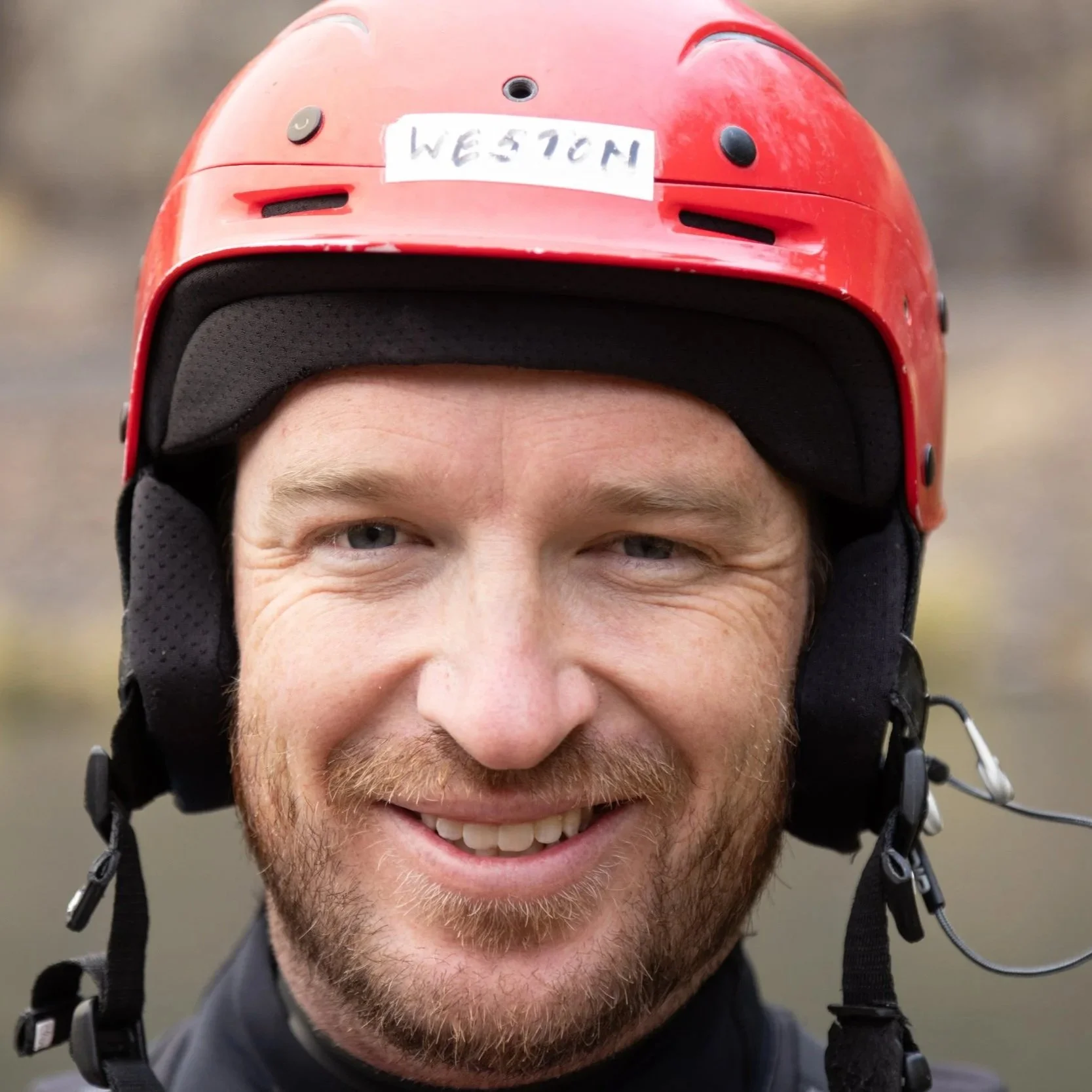
Weston Boyles
Founder and Executive Director
Weston founded Ríos to Rivers in 2012 and in 2015 co-directed Doug and Kris Tompkins' Route of Parks Project in Chile. To date, Ríos to Rivers programs have connected students from 20 endangered river basins in seven countries, including students and community leaders from 24 Indigenous nations.
Under his leadership, R2R launched Paddle Tribal Waters, a flagship program in the Klamath River Basin building Indigenous youth leadership through whitewater kayaking and river stewardship — work that culminated in youth paddlers completing the first source-to-sea descent of the Klamath following the largest dam removal in U.S. history. This historic descent was covered by major outlets including the New York Times, CNN and Junior Scholastic, reaching millions of viewers and bringing global attention to Indigenous-led river restoration. R2R's other programs are: Kayakimún, a river stewardship program in Chile, The Amazonian Rivers Initiative based in the Bolivian Amazon and Undam the United Nations, which brings youth from these programs to UN climate conferences to challenge the UN's recognition of hydroelectric dams as clean energy — a designation that makes dam construction eligible for carbon offset funding.
Weston believes that connection is the antidote to extraction: when youth from across a river basin build lasting relationships across cultural lines, that community fabric is what dispels the myths extractive industries depend on — the promise of jobs and prosperity used to pit neighboring communities against each other and erode the unity needed to protect a river long-term. The cross basin exchanges work like a kind of time machine: youth from a river not yet impacted travel to share knowledge with peers on a river that has already been dammed, seeing firsthand what's actually gained and lost. And youth from an impacted river travel to a free-flowing one, witnessing what a healthy river relationship looks like — so the loss they've inherited never gets accepted as the new normal.